
Photography Secrets: How to Capture True Emotion and Character
Capturing Emotional Essence in Photography
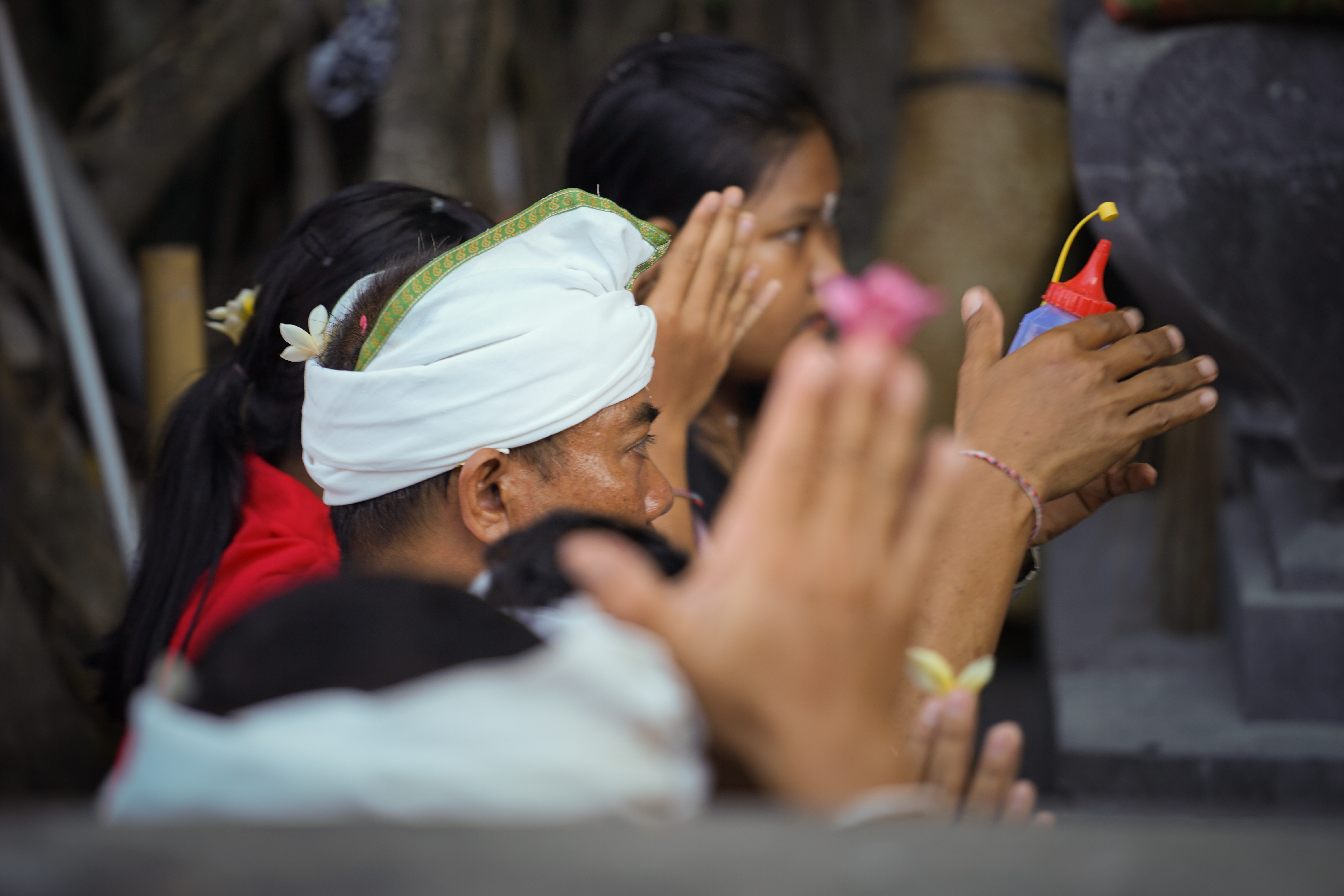
Most people talk about photography in terms of settings, lenses, and technique. And while all of that matters, it’s not what makes an image stay with you. What matters is what’s happening beneath the surface — the moment, the emotion, the part of a person that reveals itself when they’re not performing for the camera.
That’s where the work really begins.
I remember Anzac Day. There was a soldier standing off to the side, away from the noise and the structure of the ceremony. He wasn’t doing anything for anyone else. He was just there, in his own space, quiet and reflective. It would have been easy to walk up, take the shot, and move on. But moments like that don’t work if you rush them.
So I didn’t.
I stayed back and watched. Let the moment settle. Let him be exactly where he was without interference. The photograph that came from that wasn’t created by me stepping in — it came from me stepping back. He never knew I was there, and that’s precisely why the image holds what it does. It’s honest.
Take Don, for example. I’ve known him for over 10 years. He’s not someone you can just point a camera at and expect to get anything real. He’ll shut it down straight away. So photographing him isn’t about distance or observation — it’s about connection.
I was already set, already aware of the light and where I wanted to be. Then I called out to him — “Oi, Don.” He turned, and in that split second, there it was. No posing, no preparation. Just him. That’s a completely different approach to the soldier on Anzac Day, but the intent is the same: you’re looking for something real.
This is where people often get caught up in the wrong part of the process. They think it’s about choosing the right gear or constantly changing setups. In reality, it’s about knowing your equipment so well that it disappears from your thinking.
I’ve used the same camera for years — a Sony A7 II. Not because it’s the latest or the best on paper, but because I know it. I know how it behaves in different light, how far I can push it, and where it sits in my hands. That familiarity means I’m not standing there thinking about settings when something unfolds in front of me.
On a bright day, I already know where I’m starting — around 1/1000th of a second, f/4, ISO 400. If the light drops, I adjust without thinking about it. When I photographed Don, he was slightly in the shade, so I lifted the ISO just enough to compensate. Nothing dramatic. Just enough to keep the image clean and true to the moment.
That’s what technical mastery really is. It’s not about knowing the numbers — it’s about not having to think about them when it matters.
It’s in how you move around people. It’s in how you see a moment before it fully forms. It’s in knowing when to stay back and let something unfold, and when to step forward and take it.
I’ve always believed you don’t need to be in someone’s face to take a strong photograph. In fact, most of the time, that’s the quickest way to lose what you’re trying to capture. People change the moment they know they’re being watched. They perform. They hold back. The honesty disappears.
Some of the best moments I’ve captured have happened because I was patient enough not to interfere. Sitting at a table in Bali, watching a woman walk past with baskets on her head — I didn’t move, didn’t interrupt. I just recognised the moment, lifted the camera, and took it. That’s unobtrusive photography at its simplest, but it requires awareness and restraint.
At the same time, not every moment asks for distance. Some ask for connection. The key is knowing the difference — and that only comes with time, experience, and paying attention.
In the end, every photograph comes down to a fraction of a second. A small window where everything aligns — the light, the subject, the timing. You don’t get long to think about it. You either see it, or you don’t.
And when you do see it, that’s the frame.
See with Purpose. Share with Heart